Best Locations for a Dispensary in Maine
How to pick the right spot for your Maine cannabis shop
Location Requirements
| School Buffer | 500ft minimum from schools |
| Opt-In Required | Municipality must allow cannabis retail |
| Traffic Target | 8,000+ vehicles per day recommended |
| Lease Term | 5+ years recommended |
| Parking | Accessible spaces required |
Why Location Matters
Your location determines who walks through your door. It sets your rent. It shapes your competition. It affects how long you stay in business.
Maine gives you options. You can open in Portland. You can open in a town of 5,000 people. Each choice has tradeoffs. This guide helps you think through them.
The Opt-In Rule
Maine requires municipalities to approve cannabis retail before you can open. Not every town has opted in. Some have voted no. Others have never voted at all.
Check the OCP municipal opt-in list. This tells you where retail is allowed. It also shows which towns have approved but have no open stores yet. Those gaps are opportunities.
Some towns that voted no have changed their minds. Politics shift. If your preferred town is off the list, attend a city council meeting. Change takes effort. But it happens.
The School Buffer
Maine law requires a 500-foot buffer between dispensaries and schools. This is measured from the school property line to your entrance.
This rule limits where you can open. Commercial zones near schools are off-limits. This affects Portland and other dense areas. Many first-floor retail spaces fail this test.
Before you sign a lease, verify the buffer. Use the OCP's mapping tool or measure it yourself. A lease means nothing if you cannot get licensed because of the buffer.
What to Look For
Traffic Counts
More traffic means more customers. Aim for 8,000 vehicles per day on your primary road. This is a baseline. Higher is better. Corner locations with good visibility beat mid-block spots.
Parking and Accessibility
Customers need somewhere to park. Spaces near the entrance matter. If customers have to walk far or fight for parking, they go elsewhere. Accessibility matters too. Maine requires accessible entrances and paths.
Competition
Know who is nearby. Check the OCP license list. Find out how many dispensaries operate in your target area. One or two is manageable. More than that means price pressure and market saturation.
Rent and Lease Terms
Cannabis retail rents vary widely in Maine. Portland commands higher costs. A 1,000 square foot space can cost $4,000-10,000 monthly in Portland. Smaller towns might run $1,500-3,000. Budget realistically. High rent kills thin margins.
Get a 5-year lease minimum. Licensing takes 3-6 months. You need stability while you wait. Negotiate renewal options. Your landlord is taking a risk on a cannabis tenant. They should get something for it.
Municipal Opt-In Status by Region
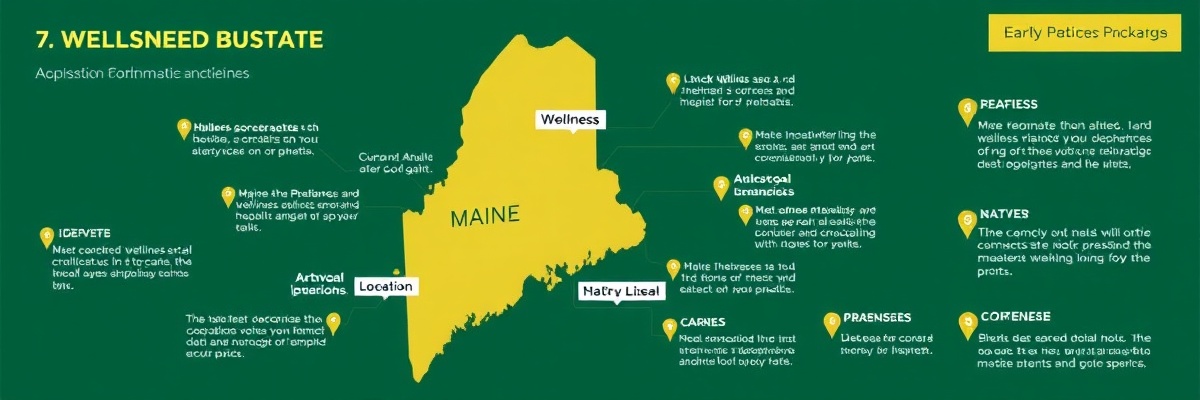
Maine's cannabis retail map is uneven. Some regions have more licensed stores than they can support. Others have none. Here is where the opportunities are:
- Portland: Oversaturated. 8+ licensed stores for a city of 68,000. Price competition is fierce. Rent is prohibitive for new entrants. Unless you have a specific niche, avoid Portland unless you found a rare affordable space.
- Lewiston-Auburn: Moderate saturation. 4-5 stores for 60,000 metro residents. Room for one more if positioned well. Lisbon Street and Center Street corridors have viable options.
- Bangor: Underserved. 2 licensed stores for a metro of 64,000. real opportunity. Hammond Street and Main Street corridors are strong locations.
- Midcoast: Very underserved. Brunswick, Bath, and Topsham have one combined dispensary. These communities want local access. Real estate is affordable.
- Western Maine: Rumford, Farmington, and Skowhegan have no licensed adult-use stores as of 2026. Rural markets require patient customers but lack competition.
- Washington County: No licensed stores. The nearest options are 45 minutes away in Hancock County. A location in Calais or Machias could capture an entire region.
Demographics to Consider
Think about who lives nearby. Year-round residents provide steady traffic. Tourists add seasonal volume. College towns have young adults who use cannabis. Retirement areas have different patterns.
Run the numbers. How many adults live within 15 miles? What is the local income level? Is the population growing or shrinking? These factors affect your revenue projections.
Maine cannabis customer demographics by region:
- Coastal tourist towns: Summer spikes in traffic, lower winter volumes. Cannabanical's 2024 survey showed 40% of Maine coastal dispensary revenue comes from June-September.
- College towns: Steady young adult traffic. Augusta University area, Orono, and Brunswick serve students who are a core demographic.
- Rural areas: Lower foot traffic but fiercely loyal customers. A dispensary in a town with no competition becomes a destination.
Real Estate Considerations
Before you sign, verify the space meets dispensary requirements. Not every retail space works:
- ADA compliance: Accessible parking, entrance, and bathroom required. Buildings with steps may need ramps or lifts. Budget $15,000-40,000 for ADA buildout if the space isn't ready.
- Ventilation: Cannabis retail requires adequate ventilation. HVAC systems may need upgrading. Plan for $8,000-25,000 in ventilation costs.
- Security: The space needs to accommodate security cameras, alarm systems, and a vault or safe for cash handling. Maine dispensaries handle significant cash — most banks still won't work with cannabis businesses.
- Display windows: Some municipalities restrict what you can display in windows. Check local ordinances. Portland and Bangor have specific signage rules layered on top of OCP requirements.
Site Selection Process
Start with the opt-in list. Narrow it to towns that allow retail. Eliminate any with existing oversaturation. Drive the remaining areas. Look for available retail spaces.
When you find a space, verify the school buffer first. If it passes, dig into the lease. Negotiate terms that protect you during the licensing wait. Then submit your license application to the OCP.
The timeline: Maine OCP licensing takes 3-6 months after application. You will likely be paying rent on an empty space during this period. Budget accordingly. Six months of dead rent at $2,500/month is $15,000 in pre-opening costs before you sell a single product.
Common Mistakes
- Skipping the buffer check. Signing a lease before verifying the 500ft rule wastes time and money.
- Ignoring competition. Portland has too many dispensaries. A town with room beats a crowded prime location.
- Signing short leases. You need stability during licensing and setup. Five years minimum.
- Overpaying for location. High rent kills margins. Cannabis retail is competitive. Thin margins plus high rent is a losing combination.
Key Takeaways
- Check the opt-in list before anything else
- Verify the 500ft school buffer on every potential site
- Study the competition in your target area
- Budget for realistic rent in your chosen market
- Negotiate 5+ year leases with renewal options
External Resources
Location rules change. Verify current regulations with the Maine OCP and local authorities before signing any lease.
Zoning in Portland, Bangor, and Lewiston
Understanding zoning differences between Maine's major markets helps you target locations that match your business model and budget. Each city interprets state cannabis regulations differently, creating distinct compliance landscapes.
Portland Zoning
Portland permits cannabis retail in Commercial Zone A (C-1), Commercial Zone B (C-2), and Innovation Zone (I-Z) districts. The Old Port Heritage District and most residential zones prohibit dispensary operations. Portland also has a unique conditional use process that requires Planning Board review and City Council approval for new dispensary locations.
Portland's zoning enforcement has rejected applications for spaces that appeared compliant on paper but failed specific interpretation of buffer requirements. Always confirm with Portland's Office of Planning and Development before committing to a location.
Bangor Zoning
Bangor allows cannabis retail in Commercial Central, Commercial General, and Industrial zones. The city has adopted Maine's 500-foot school buffer but does not impose additional local restrictions beyond state minimums. Bangor's streamlined process makes it attractive for operators seeking faster entry than Portland provides.
Bangor's economic development office has expressed interest in attracting cannabis businesses to underutilized commercial corridors. Operators who commit to locations in targeted areas may receive city cooperation on zoning questions and faster permit processing.
Lewiston Zoning
Lewiston permits cannabis retail in Commercial Center, Commercial Highway, and Planned Development zones. The city has adopted moderate restrictions on top of state requirements, including enhanced security requirements for stores near residential areas. Local license fees run lower than Portland, making Lewiston attractive for budget-conscious operators.
Lewiston's Franco-American demographic creates cultural preferences for product selection and pricing that differ from Portland. Operators who adapt their offerings to local preferences rather than replicating Portland concepts tend to perform better in this market.
Site Selection Criteria for Maine Dispensaries
Successful dispensary site selection evaluates multiple factors beyond just zoning compliance. The right location balances visibility, accessibility, cost, and competition intensity in ways that match your specific business model.
Traffic counts matter but not in the way beginners assume. A location with 20,000 vehicles per day sounds impressive until you realize the entrance requires a dangerous left turn that drivers avoid. Primary access from a side street with easier ingress and egress may outperform a higher-traffic location with complicated access.
Parking availability affects customer experience and return visits. Dispensaries in areas with limited parking see customers leave and not return. A location with dedicated parking or easy street parking within 100 feet of the entrance converts browsers into buyers more consistently.
Demographic alignment between your location and your target customer matters more than raw population numbers. A location in an area with high homeownership and older demographics may underperform for recreational dispensaries targeting younger renters. Similarly, a location near colleges serves different customers than one near retirement communities.
Competition proximity analysis should evaluate not just distance but directional relationship. A location on the opposite side of a competitor from the primary customer base may underperform relative to one positioned between the customer base and the competitor.
Evaluating Municipal Opt-In Status
Municipal opt-in status changes as town councils and voters make decisions. What was true 12 months ago may not reflect current status. Verifying opt-in status directly with municipal authorities before investing in site selection prevents wasted effort on locations that cannot legally operate.
OCP maintains a list of municipalities that have opted in, but the list updates periodically and may not reflect recent changes. Direct confirmation with town offices provides current status and identifies any pending votes that could affect your plans.
Some municipalities have opted in but not established local licensing processes. In these towns, operators can apply for state licenses but local licensing may require separate ordinance adoption that has not yet occurred. Understanding the full local process, not just opt-in status, prevents discovering midway through the process that additional steps are required.
Opt-out municipalities can change. Operators who believe a town might eventually opt in should monitor council meetings and engage with local cannabis advocacy efforts. Being early in an opt-in process can mean entering a market with less competition than waiting until after multiple operators have already established presence.